
Luxury Redefined by Intelligence
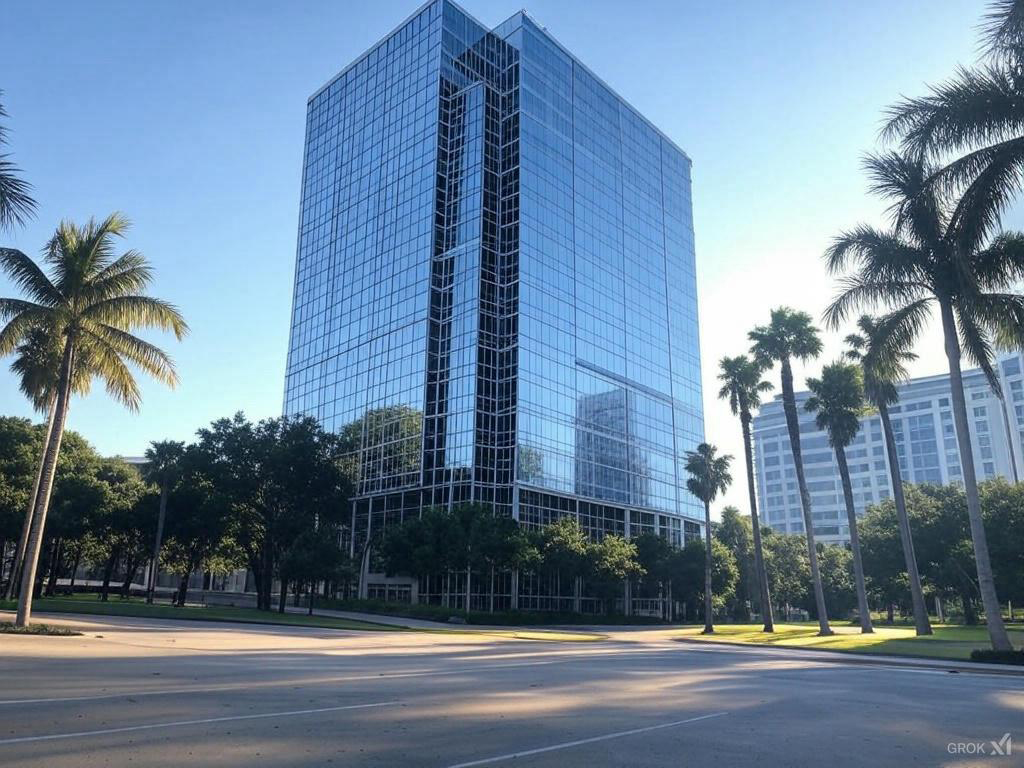
The word luxury used to mean excess — vast spaces, rare materials, and private isolation. Today, it’s evolving into something far more sophisticated: intelligent comfort. In the age of technology and sustainability, true luxury is no longer measured by size or cost, but by balance, awareness, and seamless interaction with the environment.
In Florida’s growing metropolitan regions, this new vision is visible everywhere: from energy-efficient waterfront villas in Miami to green high-rises in Tampa that breathe, learn, and respond to the people who live inside them.
The DNA of a Smart City
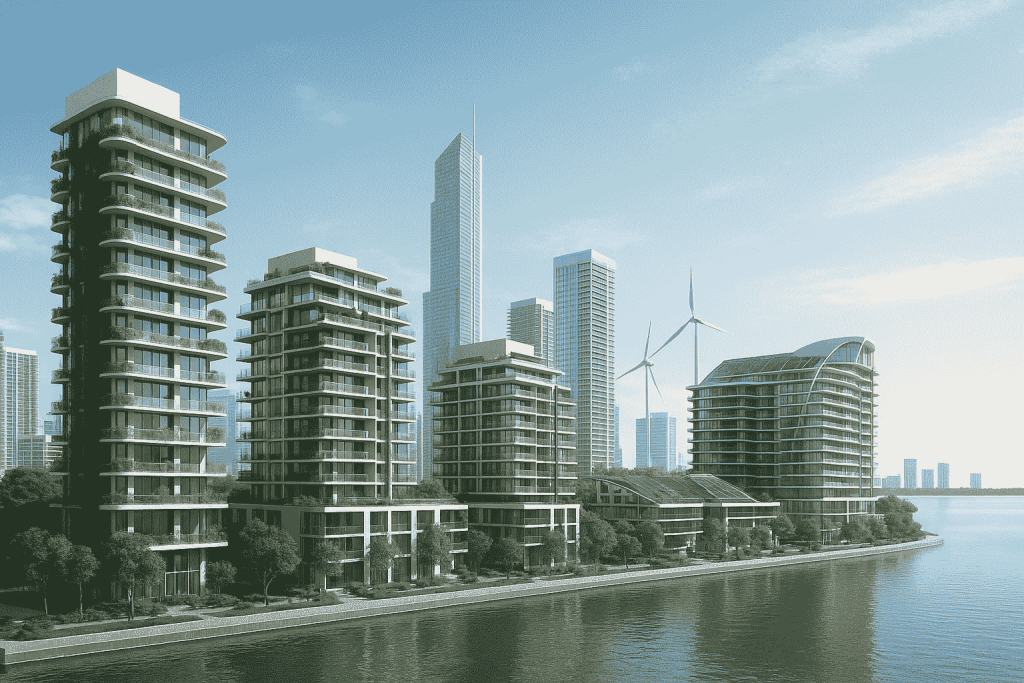
A smart city is not just a collection of sensors or data systems — it’s an ecosystem designed to think collectively. Roads monitor traffic flow in real time, buildings adjust energy consumption based on occupancy, and waste systems optimize collection routes to reduce emissions.
But the real innovation lies in integration. AI and IoT platforms connect public and private spaces, creating living networks that anticipate human needs before they’re voiced.
Sustainability as the New Status Symbol
Wealth today is no longer expressed through marble and gold but through ecological responsibility. High-net-worth homeowners and developers are embracing energy independence, carbon neutrality, and smart design as the ultimate form of prestige.
Solar façades, battery storage, rainwater reuse, and intelligent shading systems are turning luxury homes into micro-power plants. Comfort is now about autonomy — homes that generate their own energy and communities that share it.
Architecture of Connection
In these smart neighborhoods, architecture is no longer static. Each building becomes part of a living grid, exchanging data, power, and even shade. A penthouse in downtown Miami can optimize its cooling schedule based on wind direction data from a nearby tower.
This is connected luxury: beauty that functions as part of a larger harmony, not apart from it.
Digital Infrastructure and Human Experience
The technology behind smart cities isn’t meant to dominate life but to enhance it. Hidden sensors, AI control systems, and adaptive lighting all exist to make spaces feel more natural, not more mechanical.
Designers are blending digital intelligence with biophilic aesthetics — natural light, greenery, and organic materials — to keep technology invisible but ever-present. The result is architecture that feels alive but remains human.
Florida as a Testing Ground
Florida’s unique blend of rapid urban growth and environmental vulnerability makes it an ideal testing ground for sustainable smart cities. Projects in Miami, Orlando, and Fort Lauderdale are integrating smart grids, resilient coastal design, and autonomous transport systems. Discover more about sustainable coastal development in Florida and how resilience is becoming a cornerstone of modern design.
Developers here are proving that eco-luxury can coexist with mass urbanization. The question is no longer if cities can be smart, but how quickly they can evolve.
A Future of Purposeful Living
The intersection of technology and sustainability is giving rise to a new social vision — one where cities serve not just economic goals, but emotional and environmental well-being.
The future of luxury will not be about ownership, but about experience. The most valuable neighborhoods of tomorrow will not be the biggest, but the most intelligent, connected, and alive.
 English